

Craft beer is one of the most significant shifts in drinking culture of the last thirty years. What began as a counter-movement to industrial brewing — first in the United States, then in the United Kingdom, Belgium, and across Europe — has become a global phenomenon that has fundamentally changed how people think about beer. Understanding what craft beer is, how its main styles differ, and what to look for in a quality selection makes the difference between drinking a beer and actually tasting one.
What defines a craft beer
There is no single universal legal definition of craft beer, but the concept rests on three consistent principles: small-scale production, independence from large industrial groups, and a commitment to quality ingredients and traditional or experimental brewing methods. Craft breweries typically use malted barley, hops, water, and yeast — the four ingredients codified by the German Reinheitsgebot of 1516 — often supplemented with additional ingredients such as citrus peel, coriander, spices, fruit, or even cannabis flowers, depending on the style.
The contrast with industrial production is significant. Industrial lagers are brewed for consistency and volume: the same product, everywhere, always. Craft beer accepts and even celebrates variability — seasonal releases, small batches, experimental collaborations, and beers that change slightly from one year to the next based on the harvest of hops or malt. A craft brewer treats ingredients the way a good chef treats produce: with attention to provenance, freshness, and the particular character of each component.
The main styles and what distinguishes them
The world of craft beer is organized around styles — categories defined by fermentation method, color, bitterness, alcohol content, and flavor profile. Knowing the main styles makes navigating a beer list considerably easier.
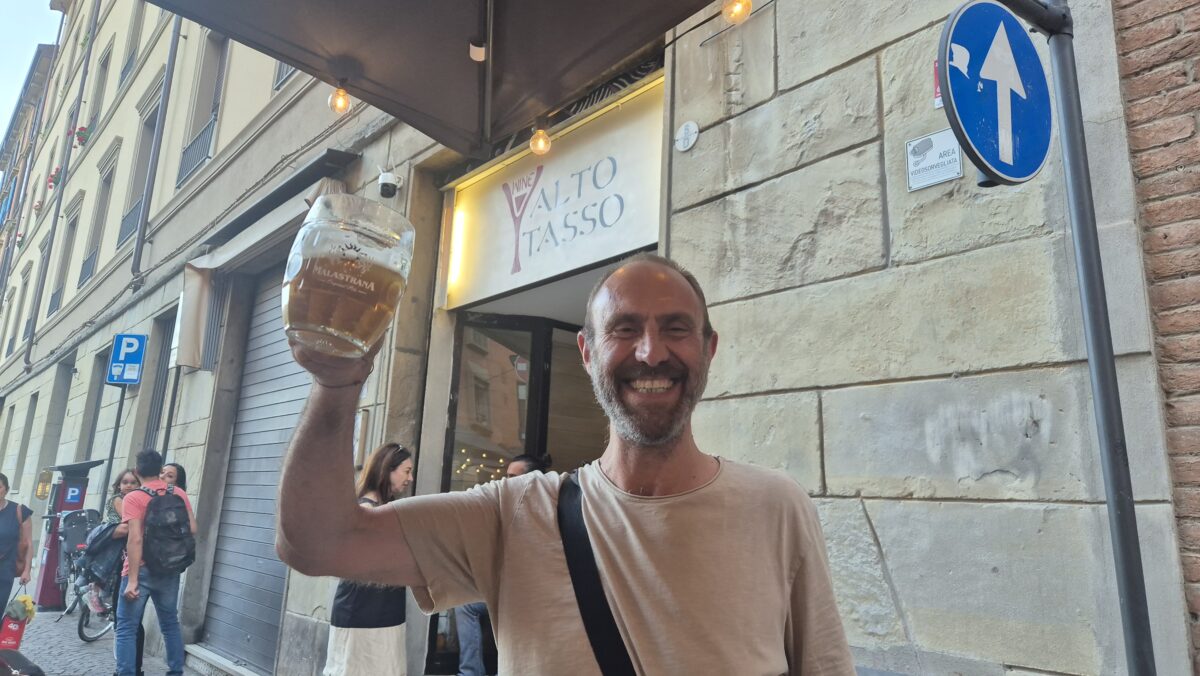
The Pils, or Pilsner, is the foundational style of central European brewing. Originating in Plzeň in Bohemia in 1842, it is a bottom-fermented lager characterized by a clean, dry profile, a firm but not aggressive bitterness from the use of noble hops, and a dense, persistent head. The Malastrana Original Pils — a Czech craft Pilsner produced with 100% Saaz hops, fermented in open tanks for ten days and lagered horizontally for six weeks — is a textbook example of what makes this style great: no shortcuts, no extracts, and a production protocol that follows the strictest Bohemian tradition. Similarly, the Pilsner Urquell, brewed in Plzeň since 1842, is often described as the mother of all Pilsners: golden, clear, with cereal and bread malt notes and a clean herbal bitterness.
The IPA — India Pale Ale — is the style most associated with the modern craft beer movement. Originally brewed in England with elevated hop content to survive the voyage to India, it has been dramatically reinvented by American craft brewers since the 1980s. The defining characteristic is hop-forward bitterness and aroma, ranging from resinous and piney in West Coast IPAs to tropical and citrusy in New England-style versions. The Brooklyn East IPA, a reference from one of New York’s most established craft breweries, sits at 6.9% and represents the American tradition of bold, expressive hop character. The Siren IPA from Berkshire — a brewery founded in 2013, voted Best Brewer of Britain in 2015 — is a more modern interpretation, accessible and aromatic. For those who prefer intensity without excessive alcohol, the Stone Go To IPA is a Session IPA at 4.7% with 65 IBUs: full hop character, lighter body, built for extended drinking. The Hoppy Flower Double IPA from Barcelona Beer Company, dry-hopped with Citra and Mosaic at 7.5%, pushes the citrus and floral dimension of the style to its logical extreme.
The Blanche, or Witbier, is a top-fermented wheat beer traditionally associated with Belgium and the Netherlands. It is light, hazy, refreshing, and typically spiced with coriander and orange peel. White Riot, an Italian craft Blanche produced with grapefruit pulp, orange peel, lemon, and bergamot in addition to the classic coriander, at 4.8% — is a contemporary reinterpretation of the style: citrus-led, light-bodied, with a delicate bitterness that builds progressively on the palate.
The Triple, or Tripel, is a Belgian strong ale with origins in the Trappist brewing tradition. High in alcohol — typically between 8% and 10% — it is golden, complex, and deceptively easy to drink. The Lupulus Triple from Belgium at 8.5%, refermented in the bottle like Champagne, unfiltered and unpasteurized, dry-hopped with three varieties, with notes of thyme, citrus, and coriander, is a serious example of what Belgian brewing at its best looks like: rich, structured, long on the palate.
The Bock is a strong lager of German origin, traditionally associated with seasonal brewing. Darker, maltier, and more full-bodied than a standard Pilsner, it uses the sugars of a richer malt bill to achieve both body and alcohol without the aggressive bitterness of a highly hopped beer. The Futura Bock, a dark red ale at 6.3%, brings roasted, caramel character and a clean finish.
Beyond these main families, craft brewing continues to expand. The Dead Guy Ale from Rogue Ales in Oregon — a Maibock at 6.8% with notes of caramel, citrus peel, and malt — represents the American approach to European tradition: faithful to the style but with the characteristic directness of West Coast craft culture. The Cerdos Voladores Pale Ale from Barcelona Beer Company is a gluten-free craft beer in the British style, demonstrating that dietary constraints need not mean a compromise in quality: malt-forward, with notes of caramel and bread, balanced by clean hop bitterness and a finish of yellow fruit and orange peel.
Fermentation, ingredients, and the question of quality
The quality of a craft beer depends on decisions made at every stage. In the ingredient selection: the variety of hop used (Saaz for Bohemian bitterness, Citra for tropical citrus, Mosaic for complex floral and fruit notes, Simcoe for pine and resin) fundamentally shapes the beer’s character. In the malt: pale malts produce lighter, crisper beers; crystal and caramel malts add sweetness and body; roasted malts yield the coffee and chocolate notes of stouts and porters. In the fermentation: top fermentation produces the fruity esters of ales; bottom fermentation produces the clean, dry profile of lagers; spontaneous fermentation using wild yeasts produces the acidity and complexity of sour beers.
A craft beer that takes quality seriously uses fresh ingredients, brews in small enough quantities to maintain control, and does not rely on filtration, pasteurization, or additives to correct defects that good brewing practice would have prevented in the first place.
Where to drink craft beer in Bologna
For those looking for a well-curated selection of craft and artisan beers in Bologna, Altotasso in Piazza San Francesco 6/d is the most relevant address. The tap list covers a deliberate range of styles: the Malastrana Original Pils for those who want a technically rigorous Czech lager; the White Riot Blanche for a lighter, citrus-forward option; the Lupulus Triple for something stronger and more complex; the Brooklyn East IPA for a classic American craft reference; and the Futura Bock for those drawn to darker, maltier profiles. The bottled selection extends the range further, including Double IPAs, Session IPAs, and international craft references from the United Kingdom, the United States, and Spain.
Altotasso has been open since 2004 and has been listed in the Slow Food guide Osterie d’Italia. It operates as a bar, cultural space, and meeting point — the kind of place where a good beer comes with context: live music, art on the walls, and a room where the selection on the menu has been chosen with the same care applied to everything else.